Poorna Pooja
₹ 850
- Sankalapam
- Abhishekam
- Aavahanam
- 108 Ashtothram
- Dhoopam
- Deepam
- Aarthi
- Aashirwadham
- Homam

zodiac sign of Pisces (Meen Rashi) from July 27 to December 11
Book Your Personalized Pooja Whatsapp










During this 4.5-month period, the planet of karma and discipline turns inward, forcing you to re-evaluate your life lessons, career choices, and long-term goals.
In Vedic astrology, Saturn represents patience, hard work, responsibility, and delayed rewards. When it goes retrograde, its energy becomes more potent and reflective.
In 2026, Shani Vakri takes place in Pisces, or Meen Rashi. Rather than fearing this period, it can be an opportunity to slow down, correct mistakes and create stronger foundations.

Shani Oil Abhishekam
Shani Ashtottara Archana
Individual Sankalpam
Correcting neglected responsibilities
Developing patience and financial discipline
Preparing for long-term stable success
4.9/5 Rating Based On 954 Devotee Reviews

Shani Vakri refers to the apparent retrograde movement of Saturn. In Vedic astrology, Shani represents:
Karma and justice
Patience and perseverance
Hard work and responsibility
Discipline and boundaries
Delays and long-term rewards
Maturity gained through experience
When Shani becomes retrograde, these themes are believed to become more reflective and inward-focused. Situations that were previously ignored, delayed or left incomplete may return for attention. The purpose of this period is not necessarily punishment. It is traditionally viewed as a time for understanding consequences, accepting responsibility and correcting the direction of one’s life.

Shani Vakri 2026 occurs in Pisces, a sign traditionally associated with emotions, spirituality, intuition, compassion and the subconscious mind.
Saturn represents structure and discipline, while Pisces represents sensitivity and inner experience. This combination may encourage people to examine whether their dreams and emotions are supported by practical effort.
During this period, you may feel encouraged to reconsider:
For a deeper explanation of the transit, read our Complete Guide to Shani Vakri.

Shani Vakri is traditionally considered a period for reviewing your decisions and understanding the lessons behind repeated situations.
Incomplete projects, neglected duties or unresolved matters from the past may require your attention again.
The purpose is to examine what went wrong and complete the work with greater patience and responsibility.

In Vedic astrology, Shani is known as the giver of results according to one’s actions.
During the retrograde period, past mistakes, weak boundaries and irresponsible decisions may become more visible. This provides an opportunity to acknowledge them, make corrections and avoid repeating the same pattern.
Karmic correction does not mean expecting instant relief. It means choosing disciplined action even when results take time.

Shani Vakri is not generally considered the ideal period for impulsive decisions or unnecessary shortcuts.
Before making an important career, financial or personal decision, review all available information and avoid unrealistic promises.
A rushed solution may create additional responsibilities later. Slow, organised and honest action is considered more supportive during this transit.
The retrograde period in Pisces may bring particular focus to certain areas of life.
This is considered a time to examine your commitments and determine whether your current path provides true stability or only temporary comfort.
Reviewing professional choices, understanding why delays occur and completing neglected work.

Examining emotional health, spiritual practices and subconscious fears that limit progress.
If you are experiencing any of the following, it may be beneficial to review your current choices and consider consulting a trusted astrologer.
Unexplained delays in career progress
Repeated financial obstacles
Old professional mistakes returning
Feeling unrewarded for hard work
Feeling emotionally disconnected
Past relationships causing present stress
A strong urge to isolate or retreat
Difficulty maintaining daily routines
The goal of this period is not to escape challenges, but to face them with clarity and responsibility.
Acknowledge your mistakes without blaming others. Accept responsibility for your past decisions.
Maintain a practical approach. Avoid making major, life-altering decisions based solely on temporary emotional stress.
Use this time to finish incomplete projects, repay debts and fulfill promises that were previously ignored.
Shani favors discipline. Following a consistent daily routine can help create stability during uncertain times.
Engage in selfless service. Helping those who are marginalized or struggling is considered a powerful way to honor Shani.
Understand that delays are often part of the process. Trust that slow progress is still progress.
Remedies should be performed with devotion, discipline and proper guidance. They should not be treated as substitutes for responsible action or professional advice.
The appropriate remedy may differ depending on the individual horoscope and temple tradition.
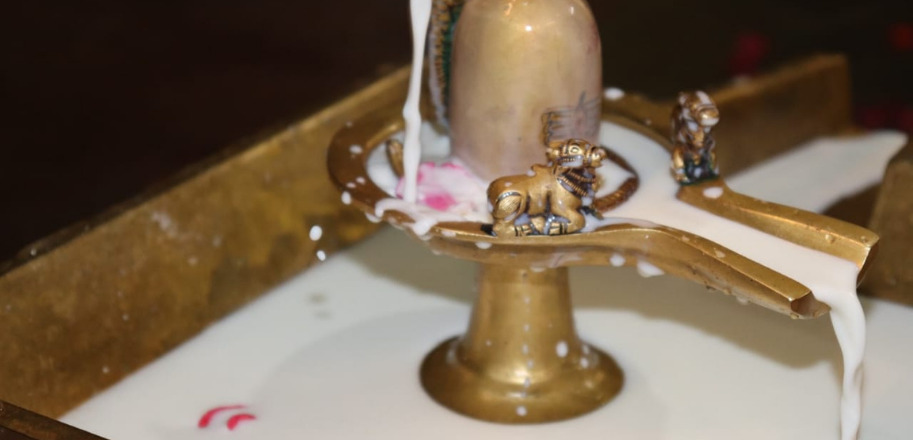
Shani Oil Abhishekam is a traditional ritual in which sesame oil is offered to Lord Shani while appropriate Vedic mantras are chanted.
During Shani Ashtottara Archana, the 108 sacred names of Lord Shani are recited with individual offerings. Each name praises a particular quality or aspect of Shani Bhagavan. The Archana is traditionally performed to seek patience, justice, humility, responsibility and protection.
A personalised Sankalpam is made using the devotee’s: Name, Nakshatra, Rashi, Gothra, and Specific prayer or life concern. This ensures that the pooja is performed specifically for the individual or family rather than as a general group ritual.
During the 2026 Shani Vakri period, devotees may perform a personalised Shani Pooja with individual Sankalpam.
The pooja can include:
Only Personalized Poojas – Never a Group Pooja
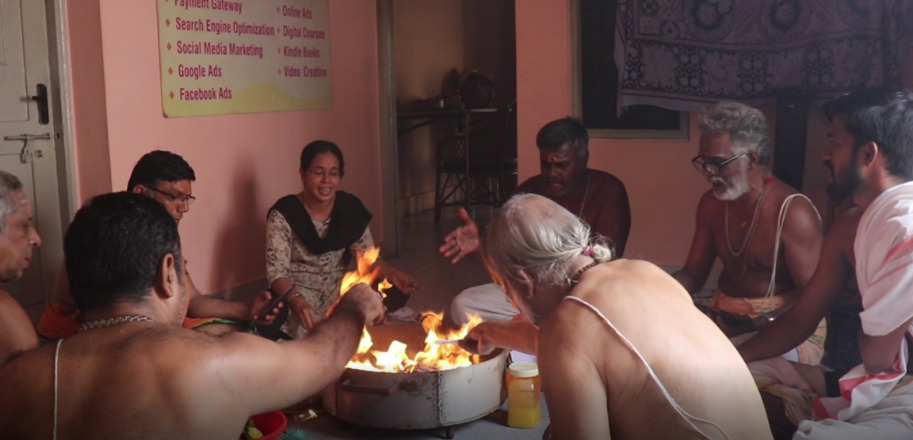
Your pooja is performed separately using your personal Sankalpam details by dedicated Vedic priests.
Shani Vakri Period: July 27 to December 11, 2026
Book Your Personalized Shani Vakri Pooja Book Through WhatsAppShani Vakri begins on July 27, 2026. Exact clock times may differ depending on geographical location and the astrological calendar being followed.
Saturn becomes direct again on December 11, 2026, ending the approximately 138-day retrograde period.
In 2026, Saturn becomes retrograde in Pisces, known as Meen Rashi in Vedic astrology.
No. Shani Vakri is not automatically negative for everyone. It may produce delays or increased responsibilities, but it can also support correction, maturity, discipline and long-term improvement. Individual results depend on the birth horoscope.
It is not necessary to stop all new work. However, major decisions should be carefully reviewed. Avoid acting impulsively, ignoring responsibilities or depending on shortcuts.
The central lesson is to accept responsibility, correct past mistakes, complete unfinished duties and build stronger foundations through patience and disciplined effort.
One important traditional temple remedy is Shani Oil Abhishekam accompanied by Shani Ashtottara Archana and personalised Sankalpam. The appropriate remedy should be selected according to the devotee’s horoscope and temple tradition.
Yes. A personalised Sankalpam can be performed using the devotee’s Name, Nakshatra and Gothra. Depending on the service, devotees may join through a personal live video call and receive a recording after the pooja.
No. Each pooja is performed separately with an individual Sankalpam. It is not combined with unrelated devotees as a general group pooja.
This page explains Shani Vakri according to traditional Vedic astrology and Hindu devotional practices. Astrological effects vary according to the complete birth horoscope. Spiritual remedies should be followed together with responsible decisions and appropriate professional guidance for financial, legal, medical or career concerns.

Kind words from our Swaami narayanan Clients.
Two of my cousins are abroad, one was in Australia and the other one was in Africa for both the people their houseowner said tho get out, as promisedin the correct time we were thrilled that we could put that first on these kind of ritual with them.

When my friend told me about the Shani pooja done in swaami narayanan temple, i was really sceptical. i wanted to check them. so i booked online. i was suprised when the priest called me at the correct time and did the sankalpam nicely. next 20 minutes was magical.

i wanted to do shani pooja. i was googling for it i came across swaami narayanan temple. i was astonished by the way they did the pooja. also the fastness with which they organised the pooja.
I have ordered pooja many times with their people and I come to believe they are like the ola of Pooja and Swiggy of homam
Pretty decent pooja, they keep up their word and they do the Puja at the best level of my satisfaction Hats off keep the good work.

 Swami narayanan temple?
with E-service
Swami narayanan temple?
with E-service
Our prices are lower than the Market always.


Increase your Attraction
Clear Graha dosham
Extending a lifetime

Get a job, health, wealth, and happiness in life.

Increase your financial growth
Win over your enemies

Increase your mental abilities, focus , concentration